
Fine Art Appraisal
Fine art appraisal services for charitable donation and IRS Form 8283 filings, prepared in accordance with USPAP. Legacy Donation Appraisers values paintings, sculpture, photography, and works on paper donated nationwide.
- USPAP-Compliant & IRS-Qualified Appraisals
- IRS Form 8283 included
- Secure a tax deduction for your non-cash charitable donations









FINE ART DONATIONS
Why Art Donations Need a Qualified Appraisal
A painting or sculpture that has appreciated for decades in a private collection can carry a fair market value far beyond what the owner or their heirs ever expected. Donating the piece instead of selling it avoids the capital gains tax on that appreciation and can generate a deduction based on the work's full market value.
The IRS pays close attention to art donations specifically. Publication 561's guidance on valuing donated property calls for weighing the artist's market, recent comparable sales, condition, and provenance, and claims involving art above $50,000 can trigger a request for review by the IRS Art Advisory Panel.
That scrutiny is exactly why a defensible, well-documented appraisal matters. Our overview of IRS art donation rules covers some of the compliance issues that come up most often with high-value art gifts.
ART CATEGORIES
Paintings, Sculpture & Photography We Appraise
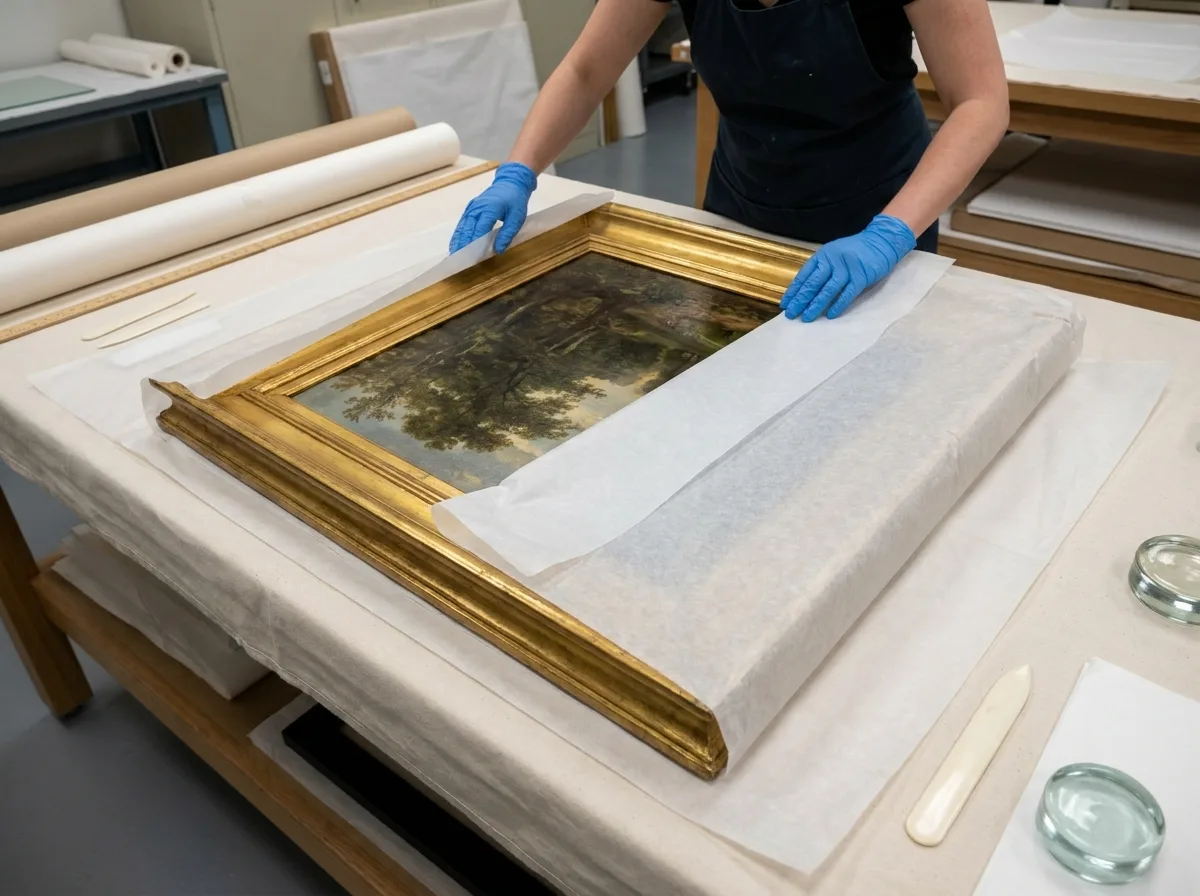
Fine art appraisals cover a wide range of media, periods, and traditions. Our appraisers match the right comparable-sales research to each category.
- Paintings (oil, acrylic, watercolor, gouache)
- Drawings and sketches
- Prints (lithographs, etchings, woodcuts)
- Posters and works on paper
- Sculptures (bronze, marble, wood, ceramic)
- Photography (fine art prints, vintage)
- Tapestries and textile art
- Street art and urban contemporary
- Digital and NFT art
- Installation and video art
- Folk, religious, Asian, and tribal art
Art Donations Often Go Directly to a Museum or Foundation
Legacy Donation Appraisers appraises artwork contributed through direct museum gifts as well as trusts and foundations, supporting the fair market value conclusion each structure requires.
Direct Gift to a Museum or Nonprofit
Works transfer directly to a qualifying institution, often with a related-use requirement that can affect the allowable deduction.
Charitable Remainder Trusts (CRTs & CRUTs)
Art funds the trust, which may sell the work to generate income for the donor before the remainder passes to charity.
Private Foundations
Family foundations sometimes receive art as part of a broader collection or estate transition, subject to related-use rules.
OUR APPRAISAL METHOD
Comparable Sales Meet Provenance in Every Report
- 01
Provenance & Documentation Review
Share purchase records, gallery invoices, certificates of authenticity, exhibition history, and any prior appraisals you have.
- 02
Comparable Sales Research
We research recent auction results, gallery pricing, and private sales of comparable works by the same artist or in the same market segment.
- 03
Condition & Authenticity Assessment
We document the work's condition, medium, dimensions, and any authentication or attribution issues that affect value.
- 04
USPAP-Compliant Report
We prepare a written appraisal report stating fair market value and the methodology used to reach it.
- 05
Form 8283 Part IV Completed
Our appraiser signs the Appraiser Declaration in Part IV so your donation is ready to file with Section B.
CREDENTIALED APPRAISERS
Fine Art Credentials from ASA, ISA & AAA
Every fine art appraisal is prepared in accordance with USPAP by appraisers holding credentials with recognized organizations.
FINE ART QUESTIONS
Fine Art Donation Appraisal Questions
Do I need a qualified appraisal to donate fine art?
Yes. When the fair market value of donated artwork exceeds $5,000, the IRS requires a qualified appraisal prepared by an appraiser with fine art expertise in accordance with USPAP. The donor completes Section B of Form 8283, and our appraiser completes and signs Part IV, the Appraiser Declaration.
What happens if my art donation is worth more than $50,000?
Claims involving art valued over $50,000 may be referred by the IRS to its Art Advisory Panel for review. A thorough, well-documented appraisal with strong comparable sales support is especially important at that level.
Does the artwork need authentication before it can be appraised?
Not always, but authentication strengthens the appraisal. If attribution is uncertain, we note that in the report and reflect the uncertainty in the value conclusion; a certificate of authenticity or expert opinion can support a stronger claim.
How are emerging or lesser-known artists valued compared to established names?
Established artists with extensive auction history are valued using direct comparable sales. Emerging artists require more analysis, including gallery representation, exhibition history, and critical reception, since secondary market data is limited.
How much does a fine art donation appraisal cost?
Fees are quoted as a fixed fee before any work begins, never hourly. Scope depends on the number of works, research complexity, and how complete your provenance documentation is.
How long does a fine art donation appraisal take?
Turnaround depends on the number of works and how much comparable sales research is needed. Tell us your deadline and we'll confirm up front whether we can meet it; expedited service is available.
Get Your Artwork Appraised
We quote a fixed fee before any work begins.