










Wonderful experience with the entire team. We received a full appraisal that was very thorough and included everything we needed as a nonprofit from an appraisal company to accept a donated vehicle and provide the appropriate documentation.
MACHINERY & EQUIPMENT
Machinery & Equipment Appraisal
Machinery and equipment donation appraisal services for IRS Form 8283 filings and non-cash charitable tax deductions, prepared in accordance with USPAP. Legacy Donation Appraisers values manufacturing equipment, construction machinery, agricultural equipment, medical devices, and restaurant equipment nationwide.
- USPAP-compliant, IRS-qualified equipment appraisals
- Qualified appraisal and Form 8283 Section B above $5,000
- Fair market value documented, net of depreciation recapture
EQUIPMENT DONATIONS
A Fully Depreciated Asset Can Still Have Real Market Value
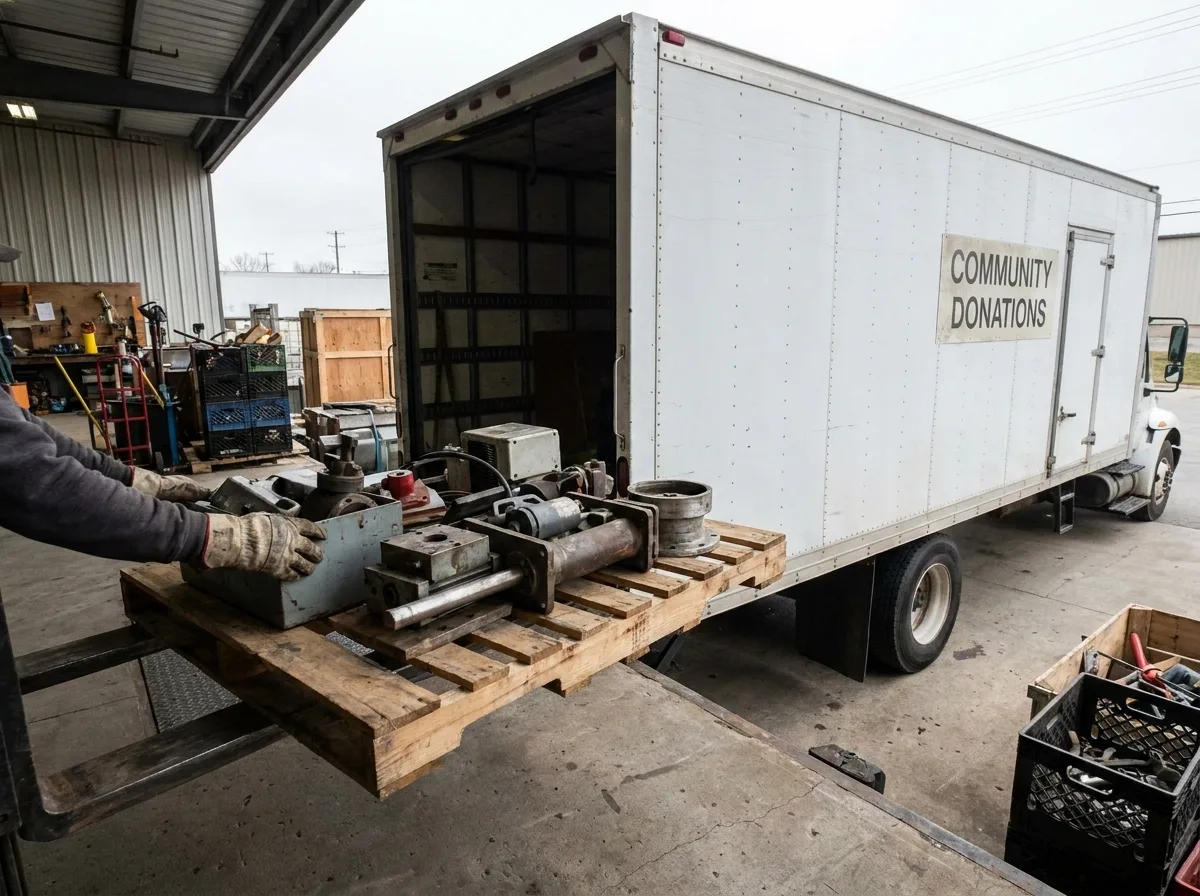
Equipment doesn't have to be obsolete to be worth donating. A press, forklift, or diagnostic system that no longer fits a company's operations can still have real value to a nonprofit, trade school, or community program, even after it's been fully depreciated on the donor's books.
That's where a qualified appraisal matters. Machinery and equipment is ordinary income property, so the deduction is generally limited to fair market value minus the amount that would have been ordinary income (depreciation recapture) had the equipment been sold instead of donated. An independent appraisal establishes the fair market value that calculation starts from, not what the equipment carries on a balance sheet.
This comes up most often during facility closures, equipment fleet upgrades, post-merger consolidation, and plant downsizing, when usable machinery is being replaced faster than it can be resold at a fair price. Legacy Donation Appraisers helps donors and their advisors document that value correctly from the start, and our guide to IRS Form 8283 covers the full filing requirements.
IRS RULES
What the IRS Requires for Machinery And Equipment Donations
Qualified Appraisal Above $5,000
When the deduction is more than $5,000 for an item or group of similar items, the IRS requires a qualified appraisal by a qualified appraiser. The donor completes Section B of Form 8283, the appraiser signs the declaration in Part IV, and the charity acknowledges receipt in Part V.
Depreciated Equipment
Equipment is limited by the amount that would be ordinary income if it were sold, so depreciation already taken (recapture) can reduce the deduction below full fair market value.
Similar Items Count Together
Items of the same general category, such as coin collections, paintings, books, clothing, jewelry, or nonpublicly traded stock, are added together for the $5,000 test, even when they go to more than one charity.
The 60-Day Window
The appraisal must be signed and dated no earlier than 60 days before the contribution and received before the due date, including extensions, of the return that claims the deduction.
Over $500,000, Attach It
For donations valued at more than $500,000, the qualified appraisal itself must be attached to the return.
Held a Year or Less
Capital assets held for one year or less are ordinary income property, so the deduction is generally limited to fair market value minus the short-term gain, in practice the cost basis.
EQUIPMENT CATEGORIES
Every Category of Machinery and Equipment We Appraise
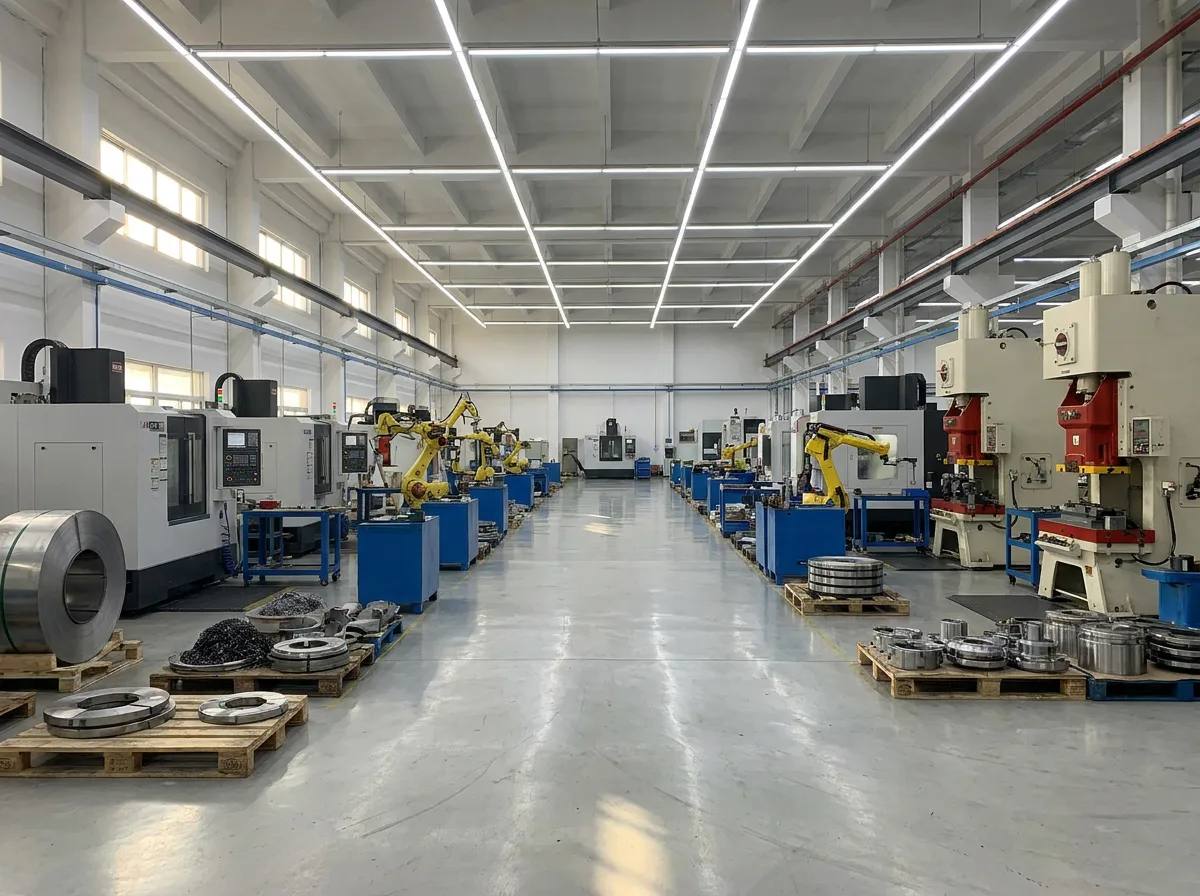
Manufacturing and Industrial Equipment
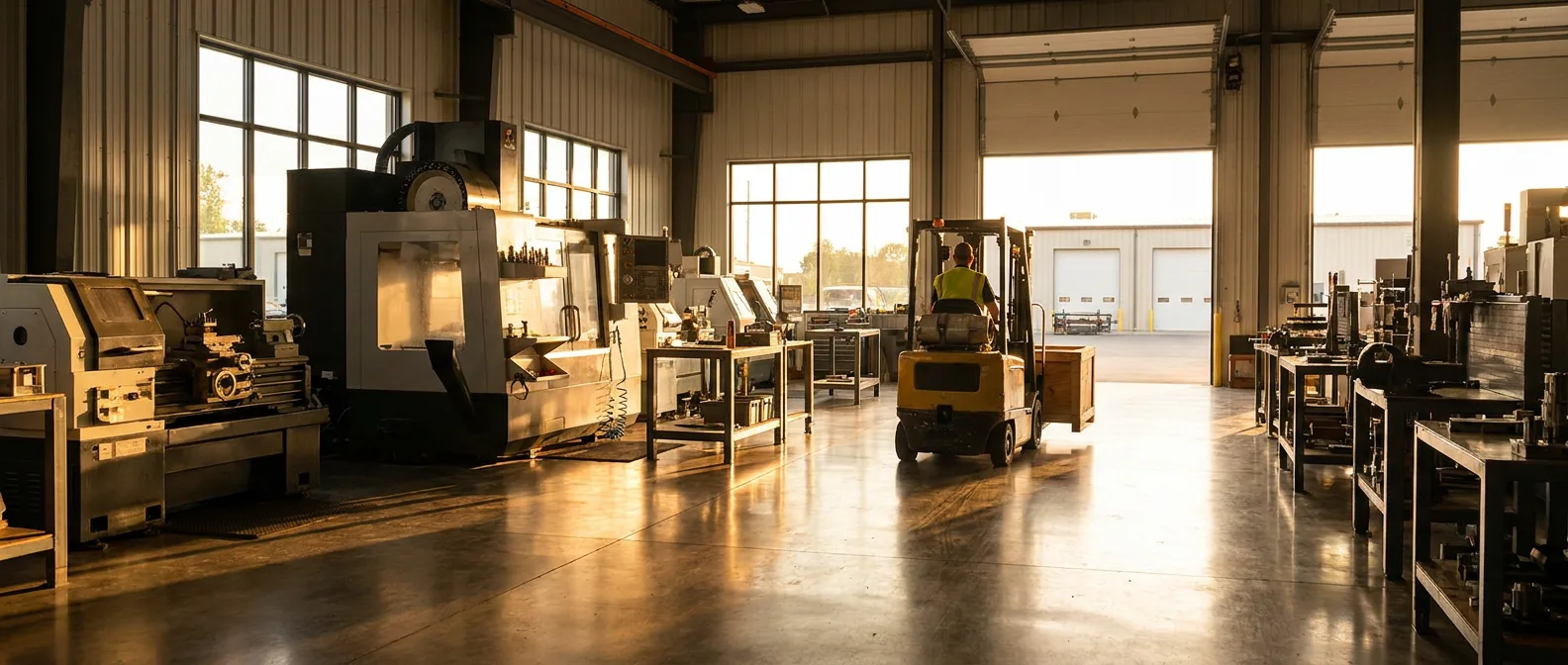
Production-line equipment keeps its value in the secondary market long after a plant upgrades or consolidates operations.
Common asset types include:
- CNC machines and lathes
- Industrial production lines
- Printing and packaging equipment
- Woodworking and metalworking machinery
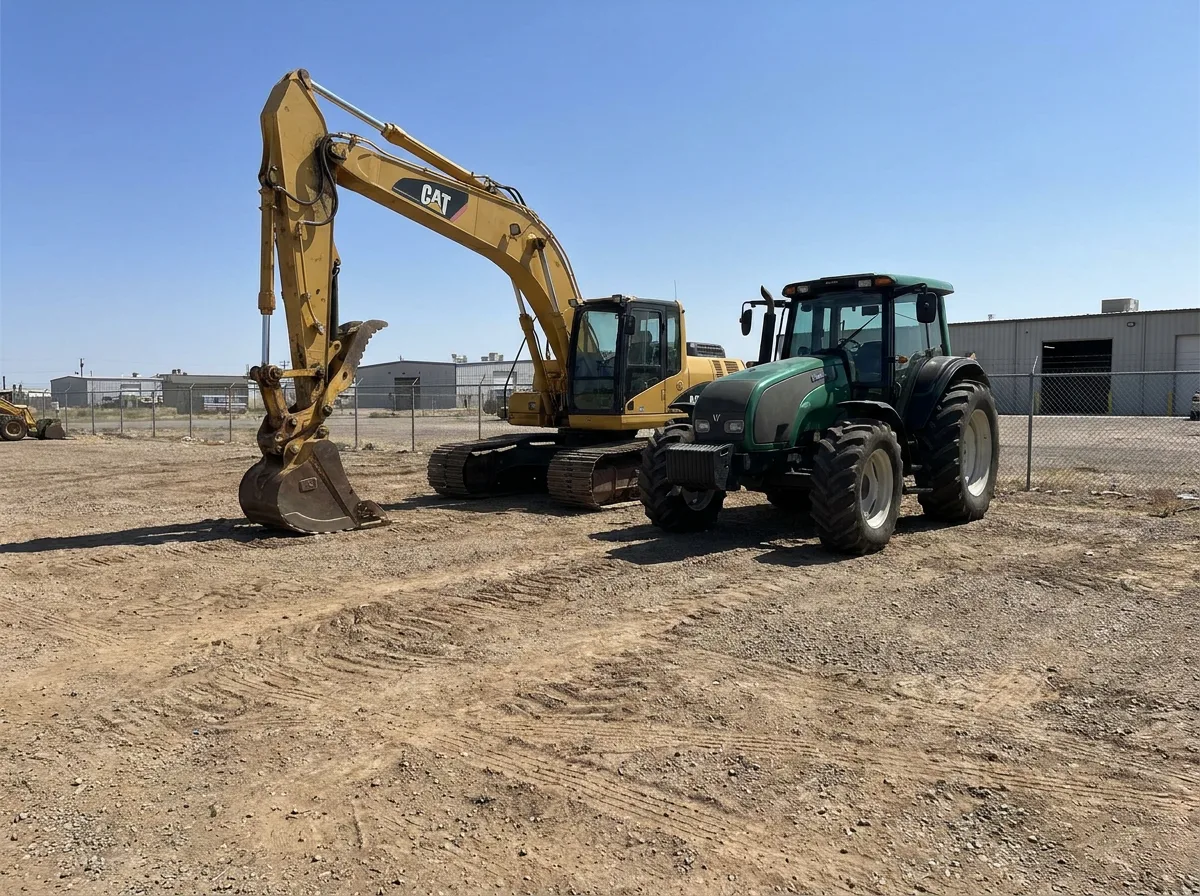
Construction and Agricultural Equipment
Heavy equipment and farm machinery each have active secondary markets through dealer networks and auctions that support a defensible fair market value.
Common asset types include:
- Excavators, bulldozers, and cranes
- Compactors, pavers, and material handling equipment
- Tractors, combines, and irrigation systems
- Grain handling and livestock handling equipment
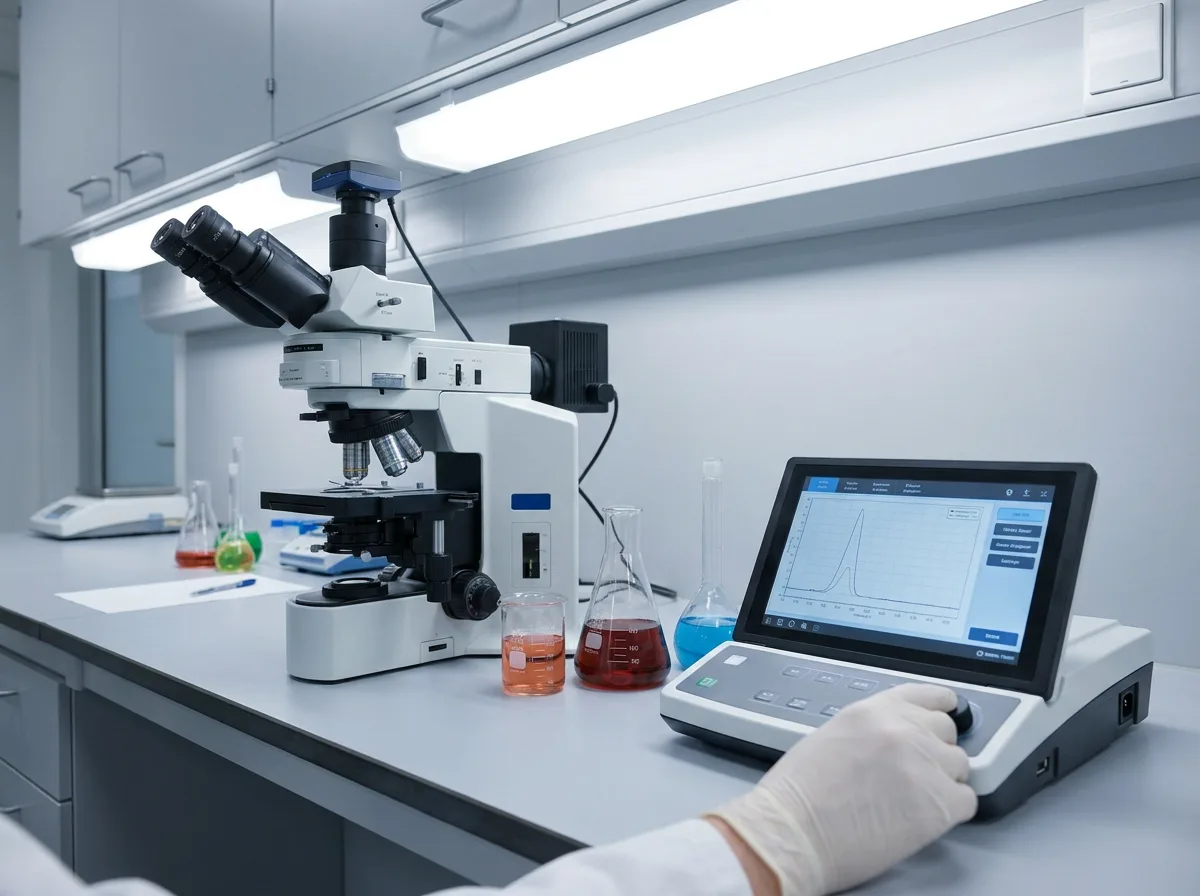
Medical and Laboratory Equipment
Diagnostic and lab equipment retiring from active use at a practice or facility can still carry real value for a nonprofit clinic or training program.
Common asset types include:
- Diagnostic imaging systems
- Surgical and dental equipment
- Laboratory analyzers
- Sterilization equipment
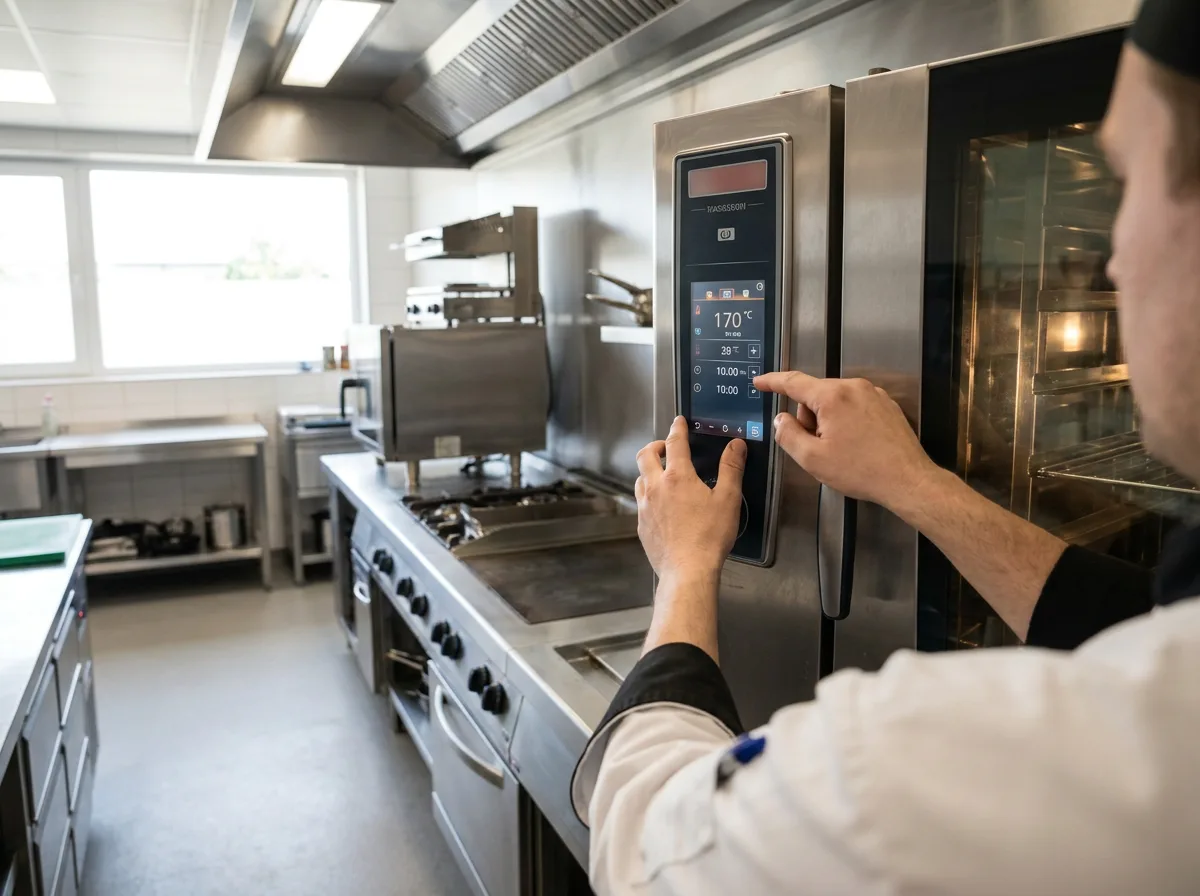
Restaurant, Technology, and Facility Equipment
Kitchen, IT, and facility equipment retired during a renovation or upgrade is often donated to community programs and schools.
Common asset types include:
- Combi ovens, ranges, and walk-in coolers
- Commercial mixers and prep equipment
- IT infrastructure and servers
- Forklifts and warehouse material handling equipment
WHO DONATES EQUIPMENT
Who Typically Donates Machinery And Equipment
Manufacturers Upgrading Equipment
Companies retiring working machinery during a fleet upgrade or line changeover often donate equipment that's fully functional but no longer needed.
Businesses Closing or Downsizing a Facility
A plant closure, relocation, or facility downsizing can leave usable equipment that's faster to donate than to resell piece by piece.
Estates and Trusts Distributing Business Assets
Machinery and equipment held by a business or estate are sometimes donated as part of a broader succession or wind-down plan.
HOW IT WORKS
Legacy Donation Appraisers Documents Equipment Details, Market Comparables, and Fair Market Value Before You File
- 01
Equipment Details & Documentation
Share make, model, year, serial numbers, and any maintenance or purchase records you have on hand.
- 02
Market & Comparable Research
We research recent sales of comparable equipment through dealer networks, auction results, and specialized market data.
- 03
Inspection, Remote or On-Site
Most machinery and equipment appraisals are completed from photos and documentation; larger or specialized equipment may warrant an on-site inspection.
- 04
USPAP-Compliant Report
We prepare a written appraisal report stating fair market value and the methodology used to reach it.
- 05
Form 8283 Part IV Completed
Our appraiser signs the Appraiser Declaration in Part IV so your donation is ready to file with Section B.
Retiring Equipment Before Year-End?
The deduction follows the date the equipment transfers to the charity. Line up the valuation before it leaves your floor.
PRICING
What Determines the Cost of a Machinery And Equipment Appraisal
Number of Assets
A single piece of equipment prices differently than a full plant or fleet with dozens of units to value individually.
Equipment Specialization
Highly specialized or custom-built machinery requires more market research than common, widely traded equipment.
Completeness of Records
Make, model, year, serial numbers, and maintenance or purchase records speed the work; gaps mean more research to fill in.
On-Site Inspection Needed
Most machinery and equipment appraisals work from your photos and documentation; larger or highly specialized equipment may call for an on-site visit.
Depreciation Recapture Documentation
Equipment with significant depreciation taken requires additional analysis to document the ordinary income limitation on the deduction.
Your Deadline
We confirm timing up front, including whether expedited service is available for your filing date.
CLIENT VOICES
What Donors and Advisors Say About Our Appraisals
We had a very unusual appraisal request for merchandise valued at over half a million dollars, and the team handled it quickly and thoroughly. We will definitely return for any future appraisal needs and highly recommend them to anyone in need of appraisal services. – TGBA, Inc., Tampa, FL
Very thorough and professional — great communication and outstanding service. Highly impressed with their work!
CREDENTIALED APPRAISERS
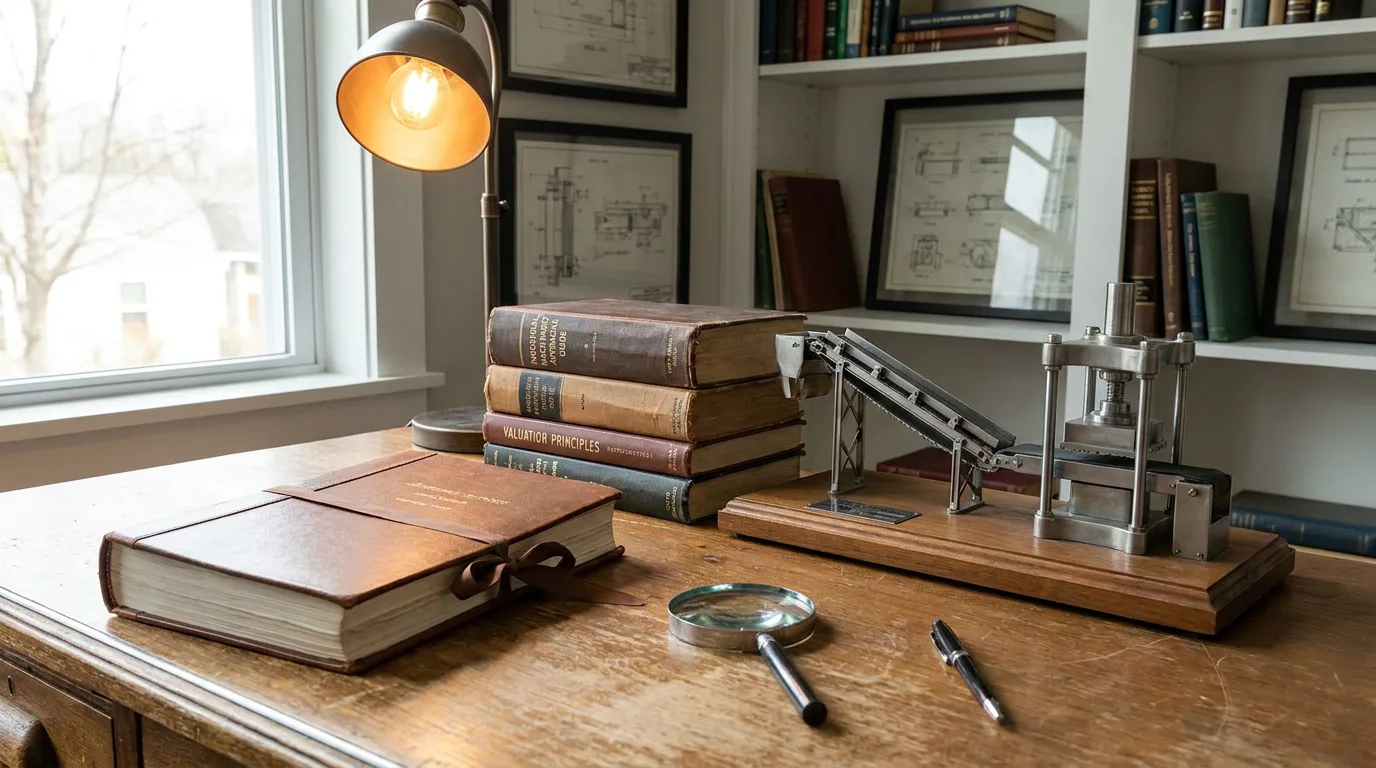
Our Machinery and Equipment Appraisers Hold Credentials With the ASA, CAGA, and the NEBB Institute
Every machinery and equipment appraisal is prepared in accordance with USPAP by appraisers holding credentials with recognized organizations.
American Society of Appraisers (ASA)
Certified Appraisers Guild of America (CAGA)
NEBB Institute, Certified Machinery and Equipment Appraiser (CMEA)
RELATED SERVICES
More Donation Appraisal Services
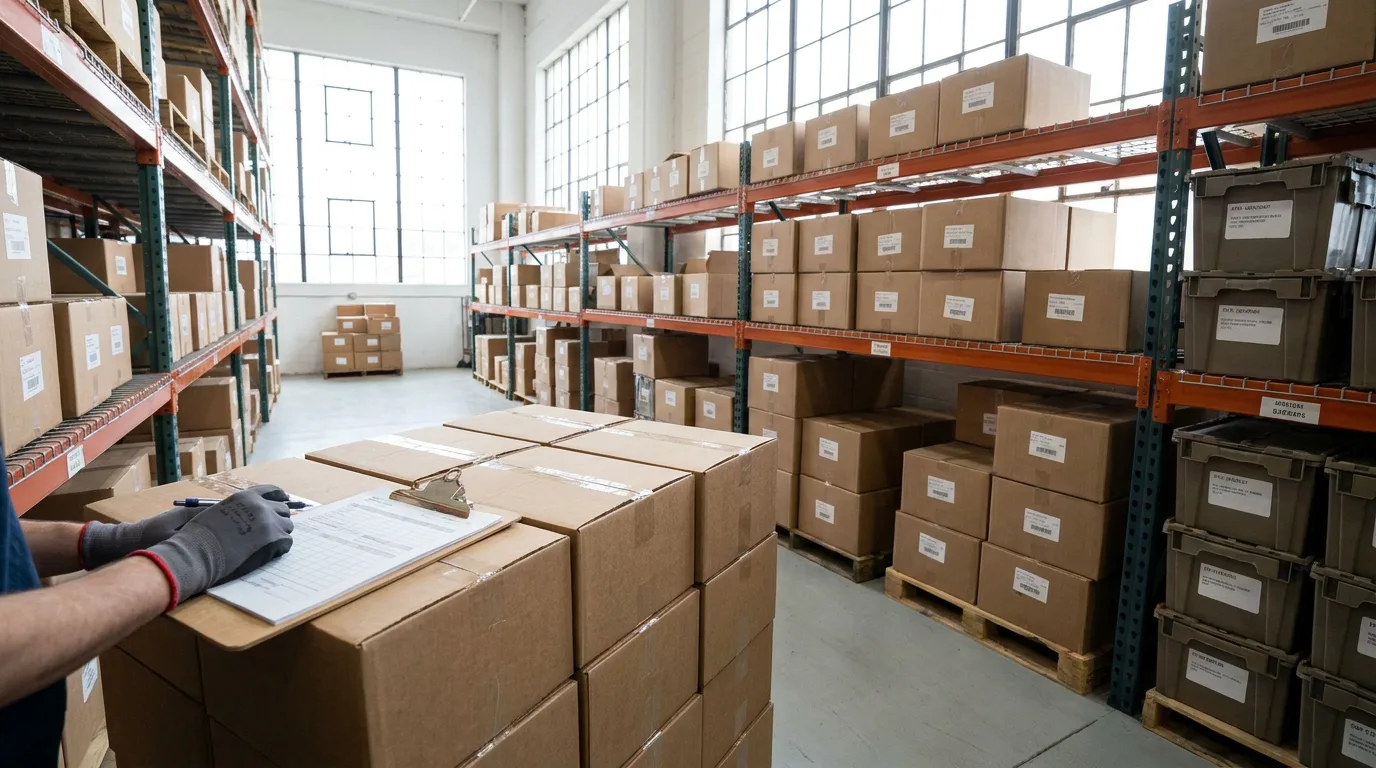
Inventory Appraisal for Charitable Donation
USPAP-compliant appraisals of donated retail, wholesale, and business inventory.
Business Valuation for Charitable Donation
USPAP-compliant valuations of closely held business interests donated to charity.
Vehicle Appraisal for Charitable Donation
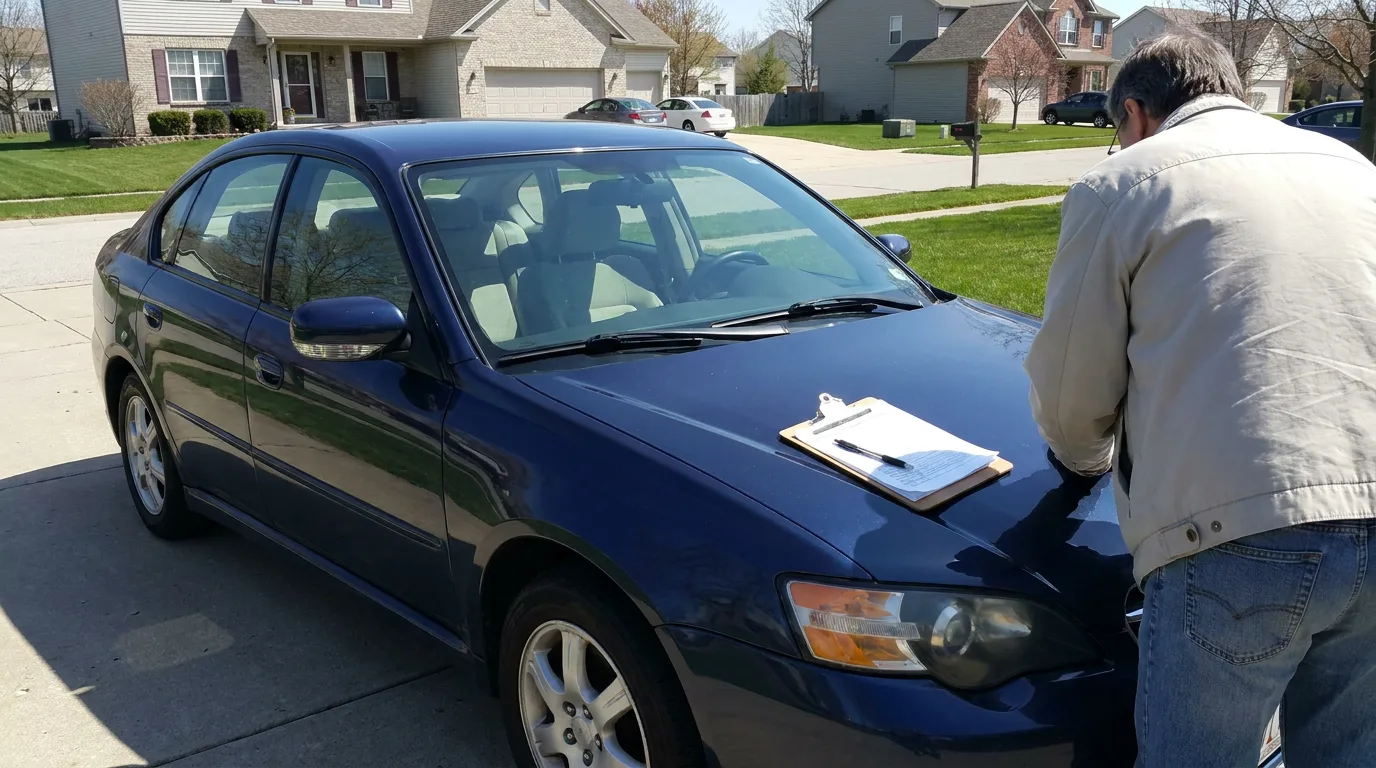
USPAP-compliant appraisals of donated cars, RVs, boats, and commercial vehicles.
EQUIPMENT DONATION APPRAISAL QUESTIONS
Equipment Donation Appraisal Questions
Do I need a qualified appraisal to donate machinery or equipment?
Yes. When the fair market value of donated machinery or equipment exceeds $5,000, the IRS requires a qualified appraisal prepared in accordance with USPAP. The donor completes Section B of Form 8283, our appraiser completes and signs Part IV, the Appraiser Declaration, and the charity acknowledges receipt in Part V.
How is fair market value determined for donated equipment?
We weigh three approaches depending on the equipment: the market approach, using comparable sales through dealer networks, auctions, and secondary markets; the cost approach, replacement cost new less depreciation and obsolescence; and, for specialized productive assets, the income approach. The equipment type and available market data determine which methods carry the most weight.
Is an on-site inspection required, or can this be done remotely?
Most machinery and equipment appraisals are completed from photographs, documentation, and equipment specifications you provide. An on-site inspection may be recommended for larger, highly specialized, or higher-value equipment where physical condition materially affects value.
Can I donate fully depreciated equipment and still claim a deduction?
Yes, but the deduction isn't simply fair market value. Equipment is ordinary income property, so the deduction is generally limited to fair market value minus the amount that would have been ordinary income, the depreciation recapture, had the equipment been sold instead. A qualified appraisal establishes the fair market value that calculation starts from, even for equipment that's fully depreciated on your books.
Is there a deadline for when my equipment appraisal must be completed?
Yes. The appraisal must be signed and dated no earlier than 60 days before the contribution, and it must be received before the due date, including extensions, of the tax return claiming the deduction.
Do I need to attach anything beyond Form 8283 for a large equipment donation?
For donations valued at more than $500,000, the qualified appraisal itself must be attached to your tax return, in addition to Form 8283.
How much does an equipment donation appraisal cost?
Equipment appraisal fees are quoted as a fixed fee before any work begins, never hourly. Scope drives the fee: how many assets, how specialized the equipment is, how complete your records are (make, model, year, serial numbers), and whether an on-site inspection is needed. We provide a transparent quote up front.
How long does an equipment donation appraisal take?
Turnaround varies by project size and complexity. Tell us your deadline, including any filing date, and we'll confirm up front whether we can meet it; expedited service is available.
GET STARTED
Request Your Equipment Appraisal
Scoped to your equipment, quoted as a fixed fee.