










Wonderful experience with the entire team. We received a full appraisal that was very thorough and included everything we needed as a nonprofit from an appraisal company to accept a donated vehicle and provide the appropriate documentation.
Personal Property Appraisal
Personal property appraisal services for charitable donation and IRS Form 8283 filings, prepared in accordance with USPAP. Legacy Donation Appraisers values antiques, jewelry, collectibles, musical instruments, and household estates donated nationwide.
- USPAP-compliant personal property appraisals
- Fair market value documented for Form 8283, Section B
- Qualified appraisals for donations above $5,000
PERSONAL PROPERTY DONATIONS
No Two Collections Are Valued the Same Way
A single valuable item, or a full household of furniture, jewelry, and collectibles, can add up to a meaningful charitable deduction once it is properly valued. The challenge is that personal property rarely has a single published price the way a stock or bond does, so the value depends on condition, maker, rarity, and what similar pieces have actually sold for.
IRS guidance on determining the value of donated property treats each category differently: a set of used furniture is valued very differently than a piece of estate jewelry or a rare book, and a qualified appraisal is what reconciles those differences into a single defensible number once the total claimed value exceeds $5,000.
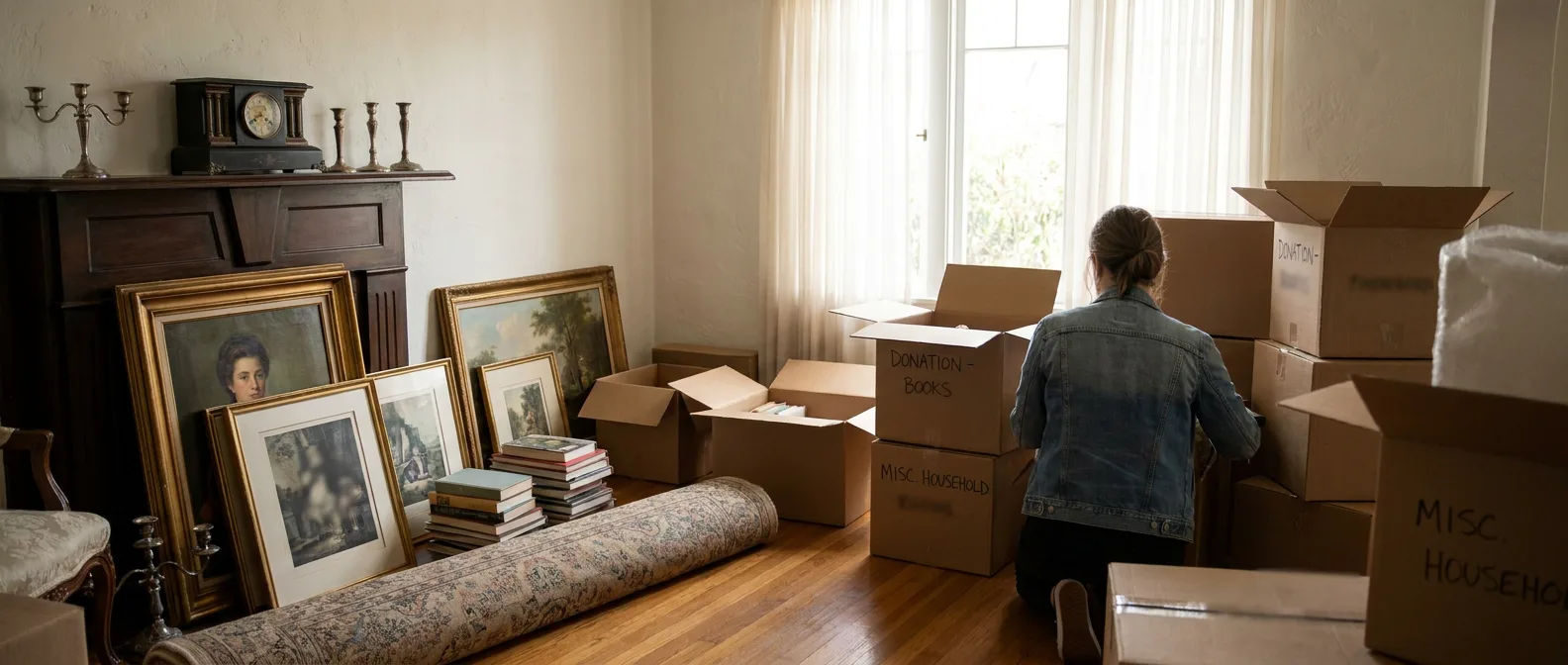
This comes up often during a downsizing move, settling an estate, or clearing out a collection built up over decades. Our guide to IRS Form 8283 covers what the donor and appraiser each need to file.

IRS RULES
What the IRS Requires for Personal Property Donations
Qualified Appraisal Above $5,000
When the deduction for an item or group of similar items is more than $5,000, the IRS requires a qualified appraisal by a qualified appraiser, plus Section B of Form 8283, which the appraiser signs in Part IV and the charity acknowledges in Part V.
Similar Items Count Together
Items in the same general category, such as coin collections, paintings, books, clothing, jewelry, or nonpublicly traded stock, are added together for the $5,000 test, even when they go to more than one charity.
Clothing and Household Items
Clothing and household items generally must be in good used condition or better. An item that isn't can still be deducted above $500 with a qualified appraisal and Section B included with the return.
The 60-Day Window
The appraisal must be signed and dated no earlier than 60 days before the contribution and received before the due date, including extensions, of the return that claims the deduction.
Over $500,000, Attach It
For donations valued at more than $500,000, the qualified appraisal itself must be attached to the return.
Held a Year or Less
Capital assets held for one year or less are ordinary income property, so the deduction is generally limited to fair market value minus the short-term gain, in practice the cost basis.
PROPERTY CATEGORIES
What Counts as Donated Personal Property

Art, Books & Instruments
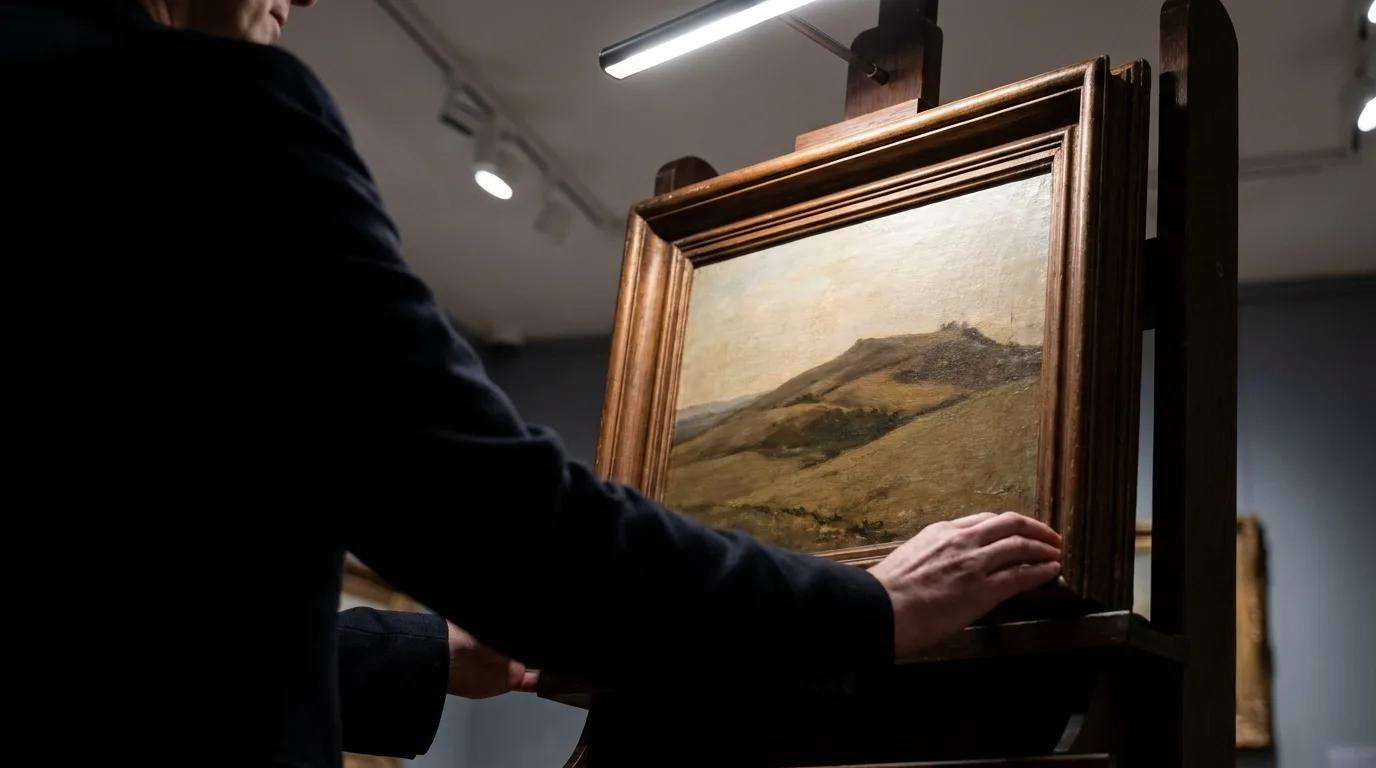
Art, rare books, and musical instruments each carry their own specialist market, from auction-house comparables to instrument maker records.
Common asset types include:
- Fine art (paintings, sculptures, prints)
- Books and archives (rare books, manuscripts, maps)
- Musical instruments (pianos, guitars, orchestral)
Fashion, Jewelry & Watches
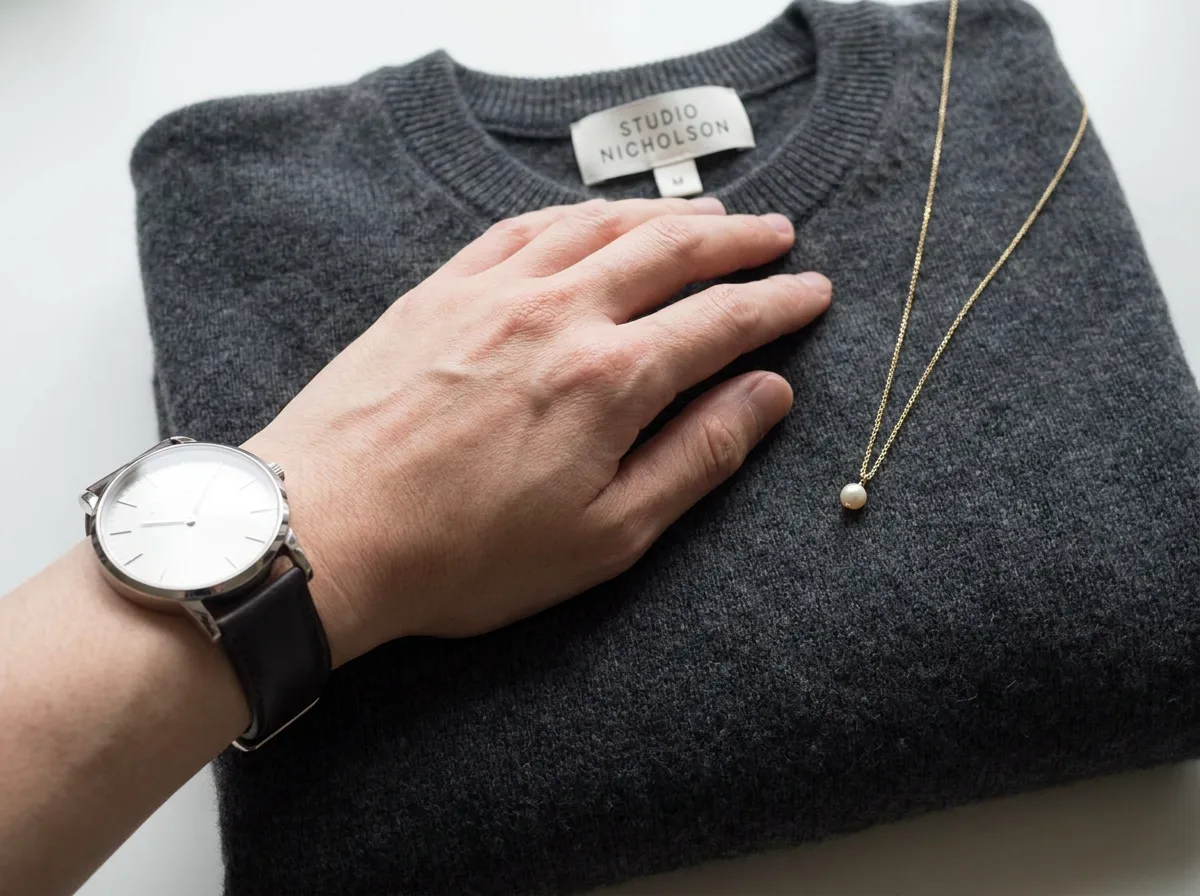
Fashion, jewelry, and numismatic pieces are valued on materials, maker, and condition rather than original purchase price.
Common asset types include:
- Vintage clothing and designer accessories
- Fine and estate jewelry
- Luxury watches and gemstones
- Coins and currency
Antiques & Household Items
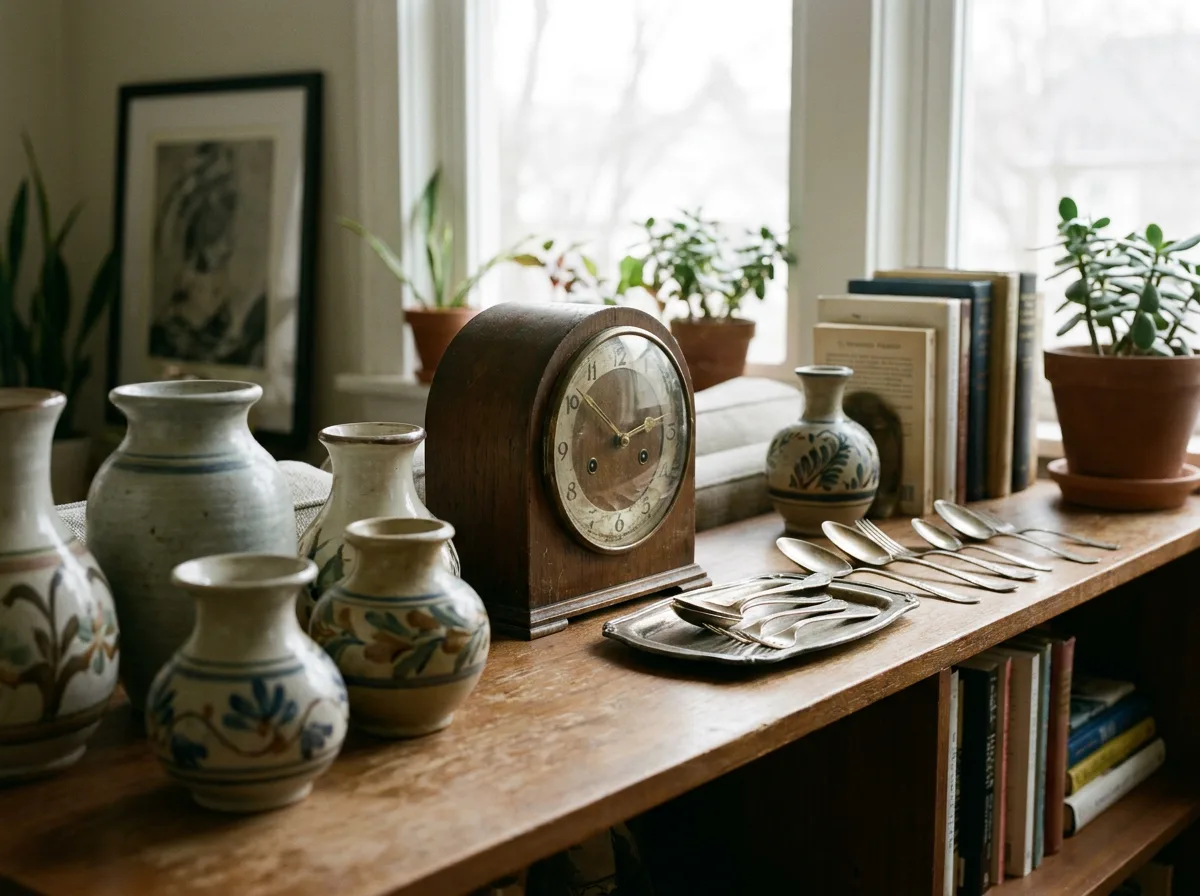
Antiques and household contents make up the bulk of most estate and downsizing donations, valued item by item against current market comparables.
Common asset types include:
- Antique and decorative furniture
- Clocks, rugs, ceramics, silver, and glass
- Household contents and collectibles (stamps, memorabilia, toys)
DONATION STRUCTURES
Personal Property Gifts Often Follow an Estate or Downsizing Event
Direct Gift to a Nonprofit
Items transfer straight to the charity, with the appraisal establishing fair market value as of the donation date.
Estate & Trust Distributions
Heirs or trustees often donate a portion of an estate's contents rather than liquidating everything through an estate sale.
Private Foundations
Family foundations sometimes receive collections or household contents as part of a broader philanthropic or estate plan.
HOW IT WORKS
Every Item Gets Its Own Research Trail
- 01
Item Details & Documentation
Share photos, purchase records, maker's marks, and any provenance or prior appraisals for each item.
- 02
Category-Specific Research
We research auction results, dealer pricing, and specialized market data appropriate to each category, from jewelry to furniture to collectibles.
- 03
Condition & Rarity Assessment
We evaluate condition, age, maker, and rarity, since these drive value more than the original purchase price.
- 04
USPAP-Compliant Report
We prepare a written appraisal report stating fair market value and the methodology used to reach it.
- 05
Form 8283 Part IV Completed
Our appraiser signs the Appraiser Declaration in Part IV so your donation is ready to file with Section B.
Donating Household Items or Collections?
Similar items are added together for the $5,000 test, so a houseful of modest pieces can cross it. Check before the donation goes out.
PRICING
What Determines the Cost of a Personal Property Appraisal
Number of Items
More individual pieces mean more research and documentation, whether it's a single painting or a full household.
Category Diversity
A single category, like jewelry alone, prices faster than a mixed estate spanning furniture, art, and collectibles.
Documentation on Hand
Purchase receipts, provenance, and prior appraisals speed the work; gaps mean more research to establish value.
Condition and Rarity Assessment
Pieces needing closer inspection for condition, maker, or authenticity take more time than straightforward household goods.
Report Requirements
Donations above $5,000 require Section B of Form 8283 and the Part IV appraiser declaration, which adds to the scope.
Your Deadline
We confirm timing up front, including whether expedited service is available for your filing date.
CLIENT VOICES
What Donors and Advisors Say About Our Appraisals
We had a very unusual appraisal request for merchandise valued at over half a million dollars, and the team handled it quickly and thoroughly. We will definitely return for any future appraisal needs and highly recommend them to anyone in need of appraisal services. – TGBA, Inc., Tampa, FL
Very thorough and professional — great communication and outstanding service. Highly impressed with their work!
CREDENTIALED APPRAISERS
Our Appraisers Hold ISA, AAA & ASA Credentials
Every personal property appraisal is prepared in accordance with USPAP by appraisers holding credentials with recognized organizations.

International Society of Appraisers (ISA)
Appraisers Association of America (AAA)
American Society of Appraisers (ASA)
RELATED SERVICES
More Donation Appraisal Services
Fine Art Appraisal for Charitable Donation
USPAP-compliant appraisals of paintings, sculpture, and works on paper donated to museums, foundations, and trusts.
Bullion Appraisal for Charitable Donation
USPAP-compliant appraisals of gold, silver, platinum bars, and rare coin collections donated to charity.
Vehicle Appraisal for Charitable Donation
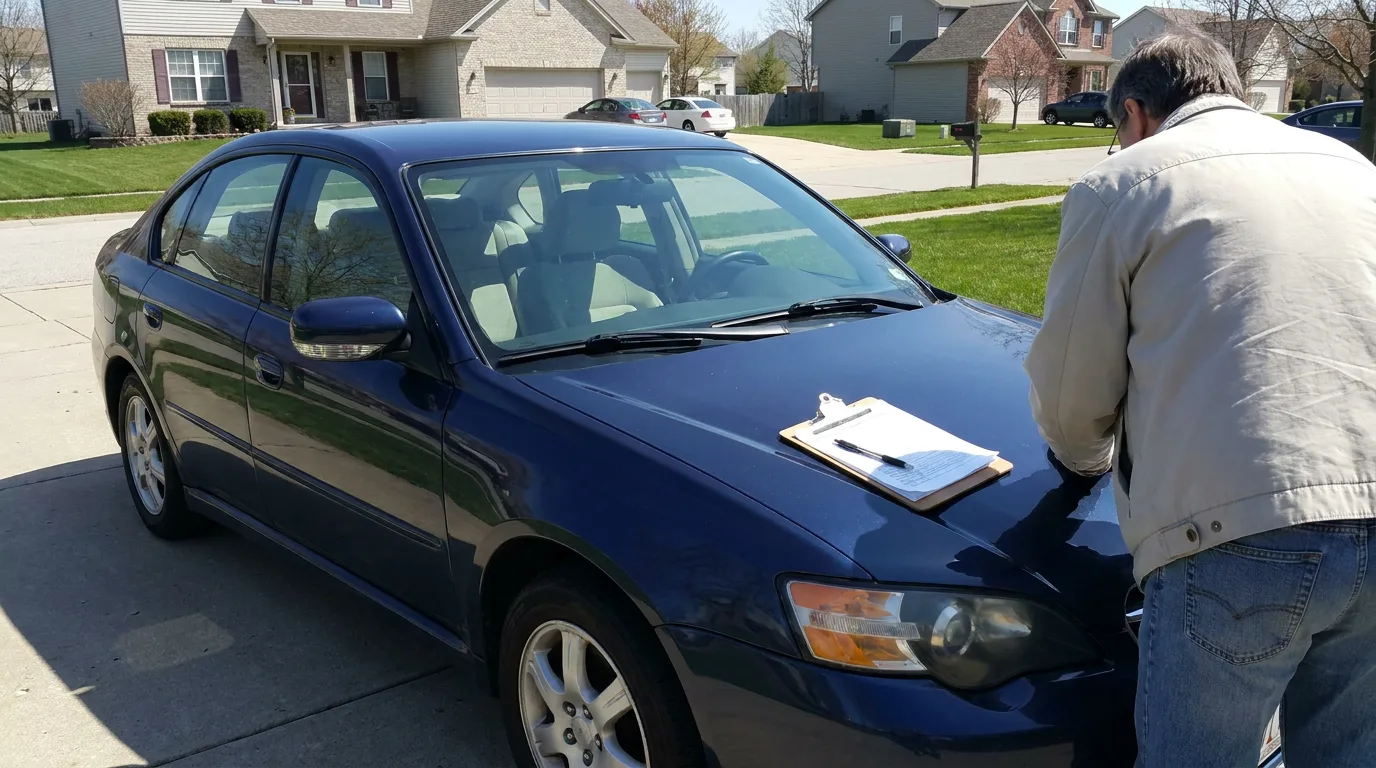
USPAP-compliant appraisals of classic cars, RVs, boats, and commercial vehicles donated nationwide.

PERSONAL PROPERTY QUESTIONS
What Comes Up Most With Personal Property Gifts
Do I need a qualified appraisal to donate personal property?
Yes. When the deduction for an item or group of similar items is more than $5,000, the IRS requires a qualified appraisal prepared in accordance with USPAP. The donor completes Section B of Form 8283, and our appraiser completes and signs Part IV, the Appraiser Declaration.
Can I combine several smaller items into one appraisal?
Yes, and often you must. Items in the same general category, such as a coin collection, a set of paintings, or an estate jewelry grouping, are added together for the $5,000 test, even if they're going to more than one charity.
Does jewelry need a different kind of appraisal than furniture or art?
Yes. Jewelry and watches require gemological expertise (metal content, gemstone quality, and maker), while furniture and decorative art are valued on condition, maker, period, and current market comparables. We match the right specialist knowledge to each category.
What if I don't have receipts or provenance for an inherited item?
That's common for inherited property. We work from photographs, physical inspection, maker's marks, and comparable market data to establish value even without original purchase documentation.
What condition do clothing and household items need to be in to donate?
Clothing and household items generally must be in good used condition or better to be deductible. An item that doesn't meet that standard can still be deducted above $500 if you have a qualified appraisal and include Section B with your return.
Is there a deadline for when the appraisal has to be completed?
Yes. The appraisal must be signed and dated no earlier than 60 days before the contribution and received before the due date, including extensions, of the return that claims the deduction.
How much does a personal property donation appraisal cost?
Fees are quoted as a fixed fee before any work begins, never hourly. Scope depends on the number of items, category diversity, and how complete your documentation is.
How long does a personal property donation appraisal take?
Timing depends on the number of items and categories involved. Tell us your deadline, including any filing date, and we'll confirm up front whether we can meet it before work starts.
GET STARTED
Request Your Personal Property Appraisal
Scoped to your items, quoted as a fixed fee.